I’m going to give you a bit of advice, which is lifesaving.
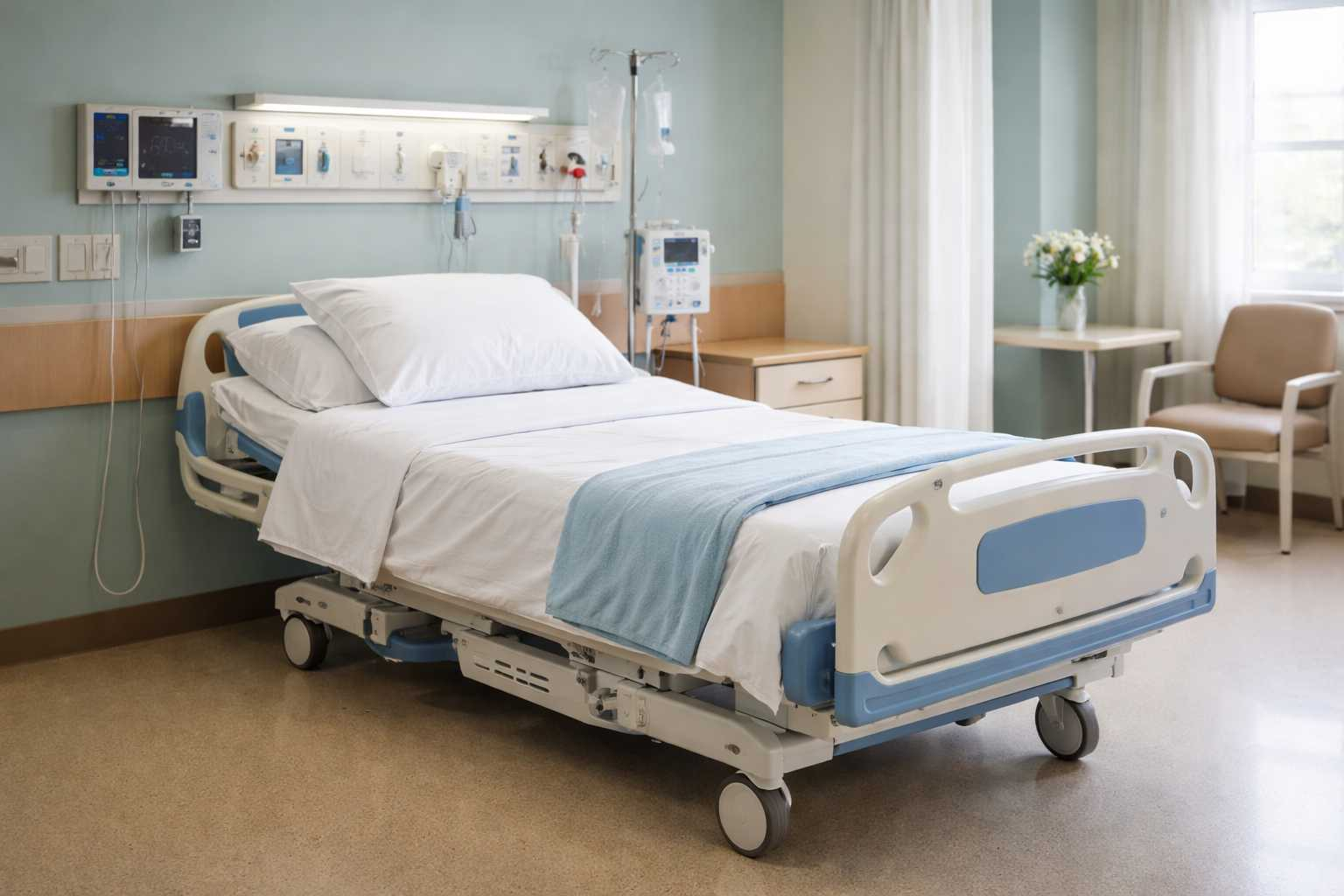
It’s about why you must ALWAYS try to be at the bedside for your loved one, every moment that you are allowed to be present in the hospital.
A patient, let’s call him Mr. Lambert, is 62
years old. He was admitted with pneumonia (lung infection). The day after admission, the nurse is coming around in the morning with his medications.
She is about to administer a common blood pressure medication, amlodipine. Right before it’s given, his wife at the bedside asks what the medicine is. Nurse tells her.
She quickly says: NO! He stopped that last month, and is not on it currently.
Mr.Lambert is still pretty tired and sick— and not really able to remember his full medication list. Turned out that the doctor on admission, had ticked off this medication because it was still on the computer as his home medication.
His blood pressure is still borderline low, and giving him the amlodipine could have potentially been disastrous.
Scenarios like this play out EVERY single day in hospitals. Most things like this are inconsequential, but every so often they are serious.
The last thing that doctors and hospitals want to do is harm people. But take it from me as a doctor who has worked in every type of hospital, large and small, errors like this happen all the time.
Bottom line: please be a good advocate for your loved one.
If I was making the rules, there would be NO visitation restrictions whatsoever for loved ones in hospital— as long as no other patients are being disturbed and sleep is not affected.
If you want to understand why it’s so important to be there in hospital in more detail, read my recent article on Substack here:
https://suneeldhandmd.substack.com/p/resonated-for-a-reason-the-1-hospital?utm_source=direct&utm_campaign=post-expanded-share&utm_medium=web&triedRedirect=true